



Things to Do in Bale, Croatia Complete Guide for Your Visit
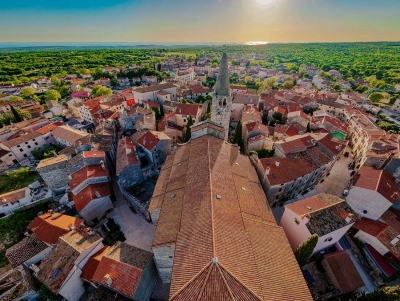
If you're planning a trip to western Istria, chances are that Rovinj, Pula or Motovun are already on your itinerary. Between these well-known destinations lies Bale, one of the best-preserved medieval towns in Istria, offering a different way to experience this part of the peninsula.
You won't find busy waterfront promenades or large tourist attractions here. Instead, you'll discover a compact old town of narrow stone streets, olive groves, vineyards and traditional dry stone walls that have shaped the landscape for centuries, along with almost nine kilometres of coastline that has retained its natural character.
Although the historic centre can be explored in an hour or two, Bale offers much more than a walk through its medieval streets. Within a short distance, you can visit Fort Forno, cycle through olive groves and vineyards, follow dinosaur footprints along the coast, swim in the clear Adriatic Sea, and end the day with locally produced olive oil, traditional Istrian cuisine and a glass of regional wine.
The true character of Bale, however, is not defined only by the places you'll visit. It reveals itself while you enjoy a morning coffee in the main square, wander the old town without a set route, or simply pause to observe the quiet rhythm of everyday life that continues here throughout the year.
Bale is not a destination to rush through in a few hours. It's a place best experienced at a slower pace. Distances are short, traffic away from the main roads is minimal, and some of the most memorable moments have little to do with famous landmarks. They come from the simple scenes of daily life that give the town its distinctive character.
Whether you're visiting for a day, a weekend or a longer holiday, this guide will help you discover the best things to do in Bale and make the most of your time in this part of southwestern Istria.
Why Visit Bale?
Many visitors first discover Bale while travelling between Rovinj and Pula. Some stop for lunch or coffee before continuing their journey, only to realise they have underestimated how much there is to explore.
The town combines several very different landscapes within a compact area. At its centre stands a well-preserved medieval settlement built from local limestone. Beyond the old streets lie vineyards, olive groves and traditional dry stone walls that have shaped the countryside for generations. A few kilometres farther west, the landscape opens towards almost nine kilometres of Adriatic coastline, where rocky coves, pine trees and clear water replace large resort beaches.
This variety makes Bale particularly suitable for travellers who enjoy combining culture, nature and outdoor activities without spending long periods in the car. Walking, cycling, swimming and local gastronomy can all comfortably fit into the same day.
Perhaps most importantly, Bale has remained a working town rather than becoming an open-air museum. Children still play in the squares, neighbours stop to talk in the streets, cafés fill gradually during the morning, and daily life continues alongside tourism. That balance is one of the reasons many visitors choose to return.
Explore the Medieval Old Town
Every visit naturally begins in Bale's historic centre.
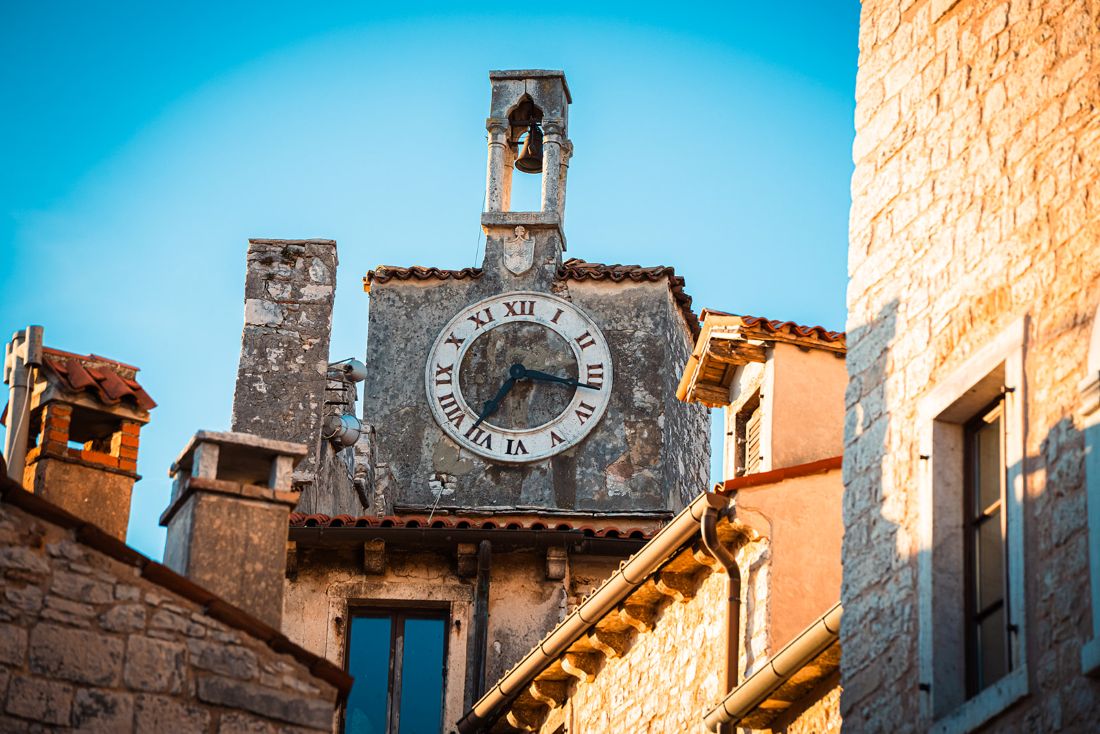
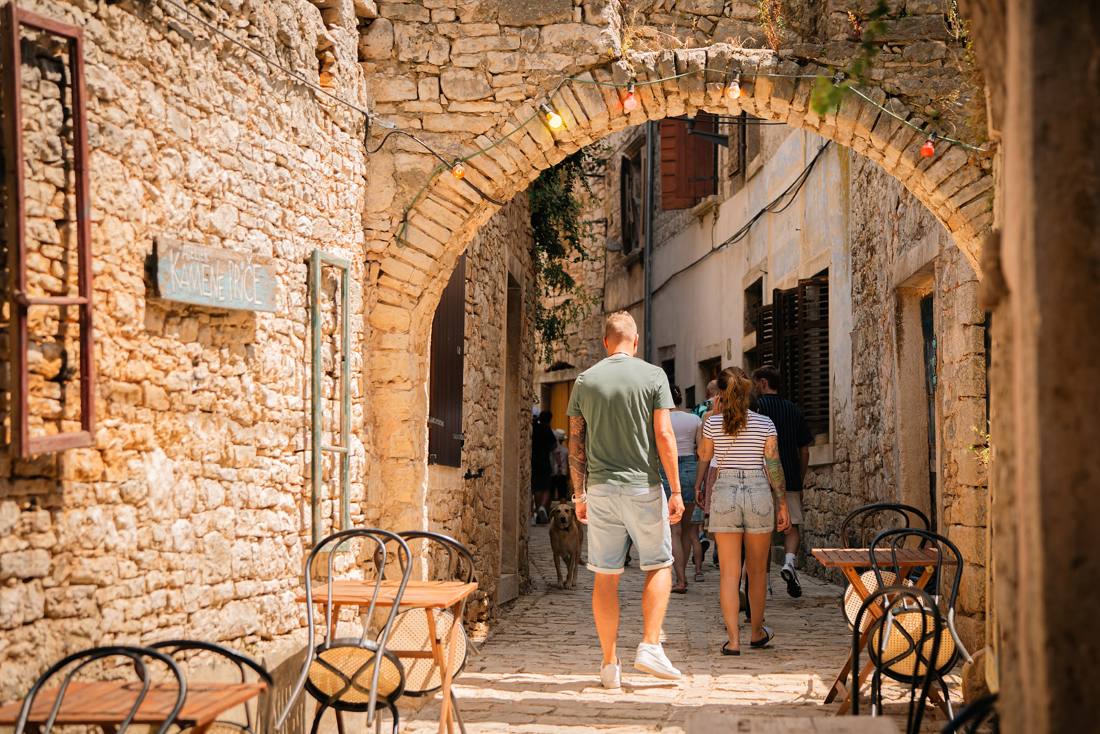
The medieval street network has changed remarkably little over the centuries. Narrow lanes weave between stone houses, small courtyards appear unexpectedly behind archways, and staircases connect quiet corners that invite slow exploration rather than hurried sightseeing. Unlike destinations where historic centres consist mainly of souvenir shops, Bale's old town remains lived in throughout the year. Local residents still occupy many of the traditional houses, creating an atmosphere that feels authentic without trying to recreate the past. Among the architectural highlights are the Soardo-Bembo Castle, the Parish Church of the Visitation of the Blessed Virgin Mary, the Lapidarium and several smaller squares that reveal different layers of the town's history. Rather than following a strict route, allow time to wander. Looking up often reveals carved stone balconies, Venetian coats of arms, wooden shutters and details that are easily missed when walking quickly.
Continue reading: Old Town of Bale
Spend Time Along the Bale Coast
One surprise for many first-time visitors is that Bale is also a coastal municipality. Although the town itself sits several kilometres inland, the municipality extends to almost nine kilometres of Adriatic shoreline. Instead of long sandy beaches, the coast is characterised by rocky coves, low cliffs, crystal-clear water and Mediterranean vegetation. Some areas provide facilities for families during summer, while others remain quiet throughout the season and are especially appreciated by swimmers, snorkellers and visitors looking for a more natural setting. Early mornings are particularly peaceful, when the sea is calm and the only sounds come from cicadas and the gentle movement of the water against the rocks. Towards evening, many visitors return to watch the changing light over the coastline before heading back into town for dinner.
Continue reading: Beaches Near Bale
Visit Fort Forno
One of the most distinctive historical sites near Bale stands well away from the old town. Fort Forno was constructed during the late nineteenth century as part of the Austro-Hungarian coastal defence system protecting the naval base in Pula. Built from massive stone blocks, the fortress remains one of the best-preserved military structures in the surrounding area. Today visitors can walk through the interior, observe its defensive architecture and enjoy wide views across the nearby countryside and coastline. The journey to the fort is part of the experience itself. Many visitors choose to reach it by bicycle or combine the visit with one of the surrounding walking trails.
Explore the Countryside by Bicycle
Cycling is one of the best ways to understand the landscape around Bale.
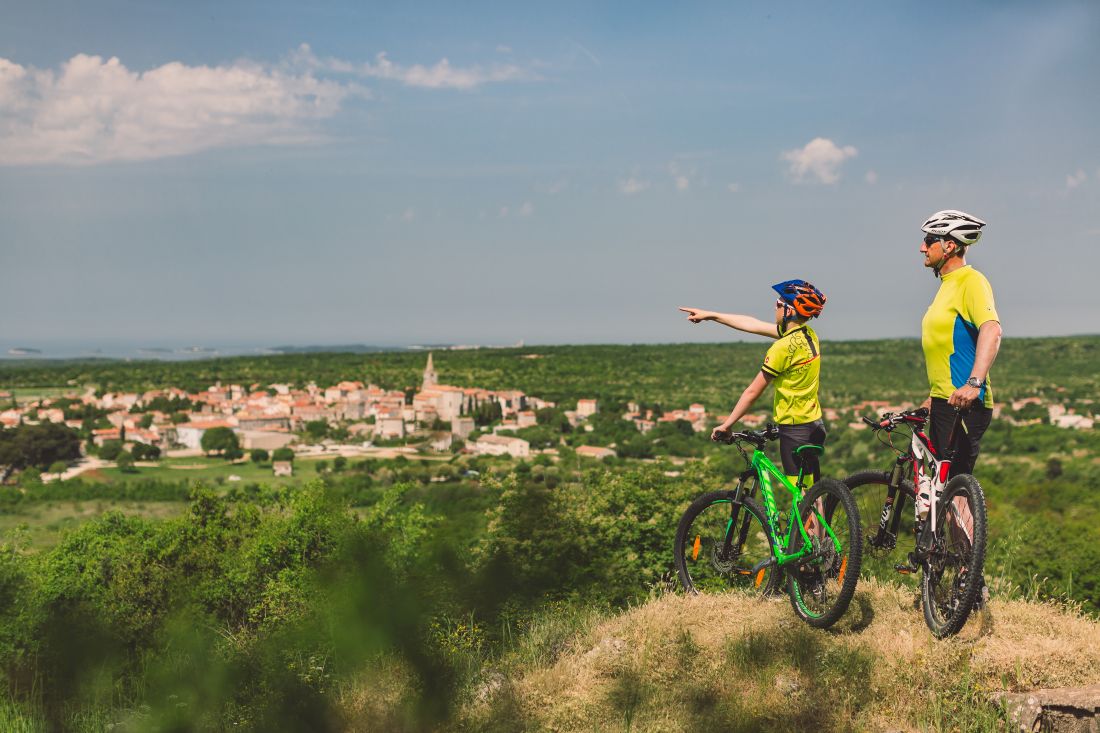
A network of marked routes connects the old town with olive groves, vineyards, traditional farms, dry stone walls and coastal viewpoints. Because the municipality combines paved roads, gravel tracks and forest paths, both recreational cyclists and experienced riders can find suitable routes. The scenery changes constantly. One moment the route passes cultivated fields and centuries-old olive trees; a few kilometres later it reaches open views towards the Adriatic before returning through woodland and quiet country roads. Spring and autumn generally offer the most comfortable temperatures for longer rides, while summer mornings provide pleasant conditions before the afternoon heat arrives.
Walk Through the Landscapes Around Bale
Not every visitor wants to explore on two wheels.
Walking trails around Bale pass through Mediterranean woodland, open meadows, olive groves and traditional agricultural landscapes that have changed little over generations. Traffic quickly disappears behind you, replaced by birdsong and the sound of wind moving through pine trees. Many routes can be adapted to different fitness levels and combined with coastal viewpoints or historical sites. These walks are less about reaching dramatic summits than about experiencing the rhythm of the landscape itself.
Continue reading: Your active vacation
Discover Dinosaurs and the Paleo Park
Few visitors expect Bale to have such a fascinating connection with prehistoric life. Yet fossil remains and dinosaur footprints discovered along parts of the municipality's coastline provide evidence that different dinosaur species lived here millions of years ago. Located within Camping Resort Mon Perin, Paleo Park introduces this remarkable natural heritage through life-sized dinosaur models, educational exhibits and interactive activities designed for visitors of all ages. It offers an engaging way to learn about Bale's prehistoric past, particularly for families with children. Many families combine a visit to Paleo Park with time at the nearby beaches, creating a full-day outing that brings together learning, outdoor activities and relaxation.
Continue reading: Dinosaurs in Bale
Taste Local Istrian Cuisine
Food in Bale reflects both the surrounding countryside and the nearby Adriatic.
Seasonal vegetables, local olive oil, homemade pasta, fresh seafood and regional wines appear throughout the year, while autumn brings truffles and dishes inspired by the harvest season.
Rather than searching for a single signature speciality, visitors often discover that every meal reflects the time of year. Spring menus differ noticeably from those served in late autumn, while local olive oil remains one of the constants across every season.
A relaxed lunch followed by an evening walk through the old town has become part of the daily rhythm for many visitors spending several days in Bale.
Continue reading: Gastronomy in Bale
Experience Culture Throughout the Year
Although Bale is a small town, cultural life continues throughout the year.
Summer evenings often bring concerts, exhibitions and open-air performances into the historic centre, where courtyards and squares become natural venues rather than formal event spaces.
Outside the main season, galleries and local exhibitions continue to present contemporary and traditional artistic work, giving visitors another perspective on the town beyond its architecture.
Because many events take place outdoors, they become part of the everyday atmosphere instead of separate attractions.
Continue reading: Events in Bale
Slow Down and Experience Everyday Life
Some of the most memorable moments in Bale are not connected to monuments or attractions at all.
Early in the morning, cafés gradually begin to fill as local residents stop for coffee before work. Deliveries move through the narrow streets, neighbours greet each other in the main square and shopkeepers prepare for the day.
During the warmer months, the pace slows noticeably in the afternoon before returning to the streets again after sunset. Families walk through the old town, conversations continue on stone benches and restaurant terraces become lively without feeling crowded.
This everyday rhythm cannot be scheduled into an itinerary, yet it often becomes one of the experiences visitors remember most.
Continue reading: Bale in 6 pictures
Suggested One-Day Itinerary
If you only have one day in Bale, it is possible to combine history, nature and local cuisine without feeling rushed. Start the morning exploring the medieval old town before enjoying coffee in the main square. Continue towards Fort Forno or one of the surrounding cycling routes, depending on your interests. After lunch, head to the coast for swimming or snorkelling before returning to the historic centre in the evening. Finish the day with dinner featuring seasonal Istrian ingredients and take one final walk through the illuminated stone streets before leaving.
Best Time to Visit Bale
Bale offers something different in every season. Spring is particularly popular for walking and cycling as temperatures are comfortable and the countryside becomes green after winter. Summer combines swimming, cultural events and long evenings outdoors, although early mornings remain the best time for more active exploration. Autumn brings olive harvests, truffle season and pleasant temperatures that suit longer outdoor excursions. Winter is quiet, allowing visitors to experience the historic centre without crowds and to see daily life continue at its natural pace.
Frequently Asked Questions
Is Bale worth visiting?
Yes. Bale combines a preserved medieval town, natural coastline, cycling routes, historical sites and local gastronomy within a compact destination that can easily be explored over one or several days.
How many days should I spend in Bale?
One day is enough to see the main highlights. Two to four days allow enough time to enjoy the beaches, cycling routes, walking trails, local restaurants and nearby attractions without rushing.
Can you swim in Bale?
Yes. The Municipality of Bale includes almost nine kilometres of Adriatic coastline with several natural swimming areas suitable for families, snorkelling and paddleboarding.
Is Bale suitable for families?
Yes. Families often combine visits to the Paleo Park, beaches, cycling routes and the old town, making Bale an easy destination for different age groups.
Is Bale a good base for exploring Istria?
Yes. Its location between Rovinj and Pula makes Bale convenient for exploring southwest Istria while staying in a quieter environment.
Can I visit Bale as a day trip from Rovinj?
Absolutely. Bale is around a 20-minute drive from Rovinj, making it one of the easiest and most rewarding day trips in western Istria.
Is Bale walkable?
Yes. The historic centre is compact and easily explored on foot. A car or bicycle is useful for reaching the coastline, Fort Forno and the surrounding countryside.
Continue Exploring Bale
If you're planning a longer stay, these guides will help you explore each part of the destination in more detail:


